

Forensic cleaning is a specialised service that removes hazardous materials from affected areas. This work involves professional training and strict safety protocols for protection. Unattended deaths, accidents, and crime scenes require this essential deep-cleaning service. Understanding this process helps families make informed decisions during difficult times.
What Is Forensic Cleaning?
Forensic cleaning involves removing biological hazards and contaminated materials safely. Forensic cleaning in Canberra addresses specific environmental health challenges in affected properties. Trained professionals use approved disinfectants and protective equipment during the process.
Key aspects include:
- Complete removal of biohazardous waste and bodily fluids
- Decontamination of affected surfaces and materials
- Proper disposal following health regulations
- Restoration of the area to safe conditions
When Is It Needed?
Crime scene cleaning in Canberra becomes necessary after criminal activities occur. Families cannot safely handle cleanup after unattended deaths or accidents. Professional intervention prevents health risks to property occupants and visitors.
Common situations requiring this service:
- Unattended death scenarios requiring immediate professional attention
- Accidents resulting in blood and body fluid contamination
- Suicide aftermath requiring a compassionate professional response
- Hoarding situations with biohazard material accumulation
Professional Protocols and Safety Standards
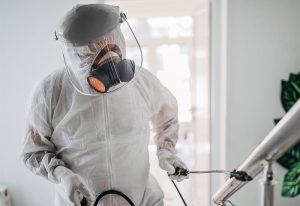
Biohazard cleaning in Canberra follows strict Australian health and safety regulations. Professionals wear personal protective equipment, including gloves, masks, and suits. Certified cleaners receive extensive training in pathogen handling and safety.
The process includes:
- Initial assessment of contamination levels
- Use of hospital-grade disinfectants
- Proper waste segregation and disposal methods
- Final verification of complete decontamination
Why Forensic Cleaning Requires Specialists
Biohazards pose serious health risks requiring trained professional intervention. Untrained individuals lack proper equipment and knowledge for safe handling. Specialists possess certifications in infection control and pathogen management protocols. Legal compliance requires licensed professionals for proper documentation and procedures.
Professional Expertise in Difficult Situations
Trauma cleaning in Canberra requires compassion alongside technical expertise. Specialists understand the emotional toll on families during this time. They work discreetly to restore dignity to affected properties.
How to Choose a Forensic Cleaning Company
Verify that companies hold proper certifications and insurance coverage first. Check customer reviews and testimonials from previous clients thoroughly. Ensure they follow Australian health and safety regulations completely. Ask about their decontamination procedures and waste disposal methods specifically. Reliable companies offer compassionate service with discreet, professional communication always.
Why Professional Help Matters
DIY cleanup poses serious health and legal risks to property owners. Professional teams handle biohazards without endangering themselves or others unnecessarily. Their expertise protects both physical health and legal compliance requirements.
Conclusion
Forensic cleaning is essential work that requires professional expertise and compassion. Trained specialists handle hazardous situations safely while respecting affected families. If you need reliable, compassionate forensic cleaning services, contact Verdi Cleaning Services today.
Get Professional Help Now:
- Phone: 0424 103 353
- Email: info@verdiclean.com.au
- Website: https://verdiclean.com.au/
Trust the professionals to handle these difficult situations with care and expertise.
Frequently Asked Questions
1. What qualifications do forensic cleaners need?
Professional cleaners hold certifications in biohazard handling and infection control. They complete specialised training in safety protocols and relevant regulations.
2. How long does a typical forensic cleaning take?
Duration depends on the extent of contamination, ranging from hours to full days. Complex situations require careful, methodical work for thorough decontamination.
3. Are forensic cleaning products safe for families?
Yes, approved disinfectants kill pathogens while being safe once fully dried. Professionals ensure proper ventilation and complete residue removal throughout.
4. Can insurance cover forensic cleaning costs?
Some policies cover specific situations like crime scenes or accidents. Families should check their policies or contact their insurance provider directly.
5. What happens to contaminated materials removed?
All biological waste follows strict medical disposal regulations and protocols. Licensed facilities handle this hazardous material according to health standards.
6. Is it safe to re-enter a cleaned property?
Yes, professional cleaning makes properties completely safe for occupancy again. Thorough disinfection eliminates all pathogens and health risks permanently.
7. How do cleaners protect themselves from biohazards?
They wear full protective suits, respirators, gloves, and specialised equipment. Proper training teaches them containment and decontamination procedures step-by-step.
8. Can families handle this cleaning themselves?
It’s strongly discouraged due to serious health and legal risks. Professional teams have proper equipment, training, and disposal methods available.
9. What’s the difference between standard cleaning and forensic cleaning?
Standard cleaning doesn’t address biological hazards or contaminated materials properly. Forensic cleaning uses specialised techniques and products for complete decontamination.
10. How do professionals handle emotional sensitivity in these situations?
Trained cleaners work with compassion and discretion throughout the process. They understand families’ emotional needs and handle situations with appropriate respect.