



Your workplace cleanliness directly affects employee productivity and customer impressions. A dirty office creates health risks and reduces staff morale significantly. Professional cleaning schedules ensure your workspace remains fresh and hygienic always. This checklist helps you understand cleaning frequency requirements for your business.
Standard Cleaning Frequency Guidelines
Most Australian offices need cleaning at least 3 to 4 times weekly. High-traffic areas require more frequent cleaning than regular workspaces. Daily cleaning prevents germs, dust, and allergens from accumulating dangerously. Professional office cleaners in Canberra follow industry standards for workplace hygiene.
Key cleaning schedules include:
- Daily: Reception areas, bathrooms, and kitchen spaces
- Weekly: Carpets, desks, and common areas
- Monthly: Deep cleaning and specialised treatments
Daily Tasks vs. Deep Cleaning
Daily office cleaning focuses on visible dirt and high-touch surfaces. Staff can handle basic tidying between professional cleaning sessions easily. Deep cleaning happens less frequently but thoroughly removes embedded dirt. Business cleaning services in Canberra combine both regular and deep cleaning options.
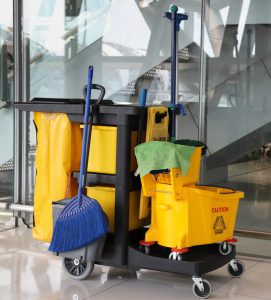
Benefits of Commercial Cleaning for Canberra Businesses
Regular professional cleaning boosts employee health and productivity remarkably. A spotless office creates excellent first impressions for visiting clients. Reduced sick days mean fewer absences and better team performance. Professional services save your managers time managing cleaning staff duties. Affordable office cleaning in Canberra protects your investment in office furniture.
Why professional cleaning matters:
- Eliminates bacteria and viruses effectively
- Reduces respiratory issues among staff
- Improves focus and workplace satisfaction
- Extends the lifespan of office equipment
- Maintains a professional appearance constantly
Factors Affecting Your Cleaning Schedule
Office size determines how often professional cleaning is necessary. Employee numbers and workspace usage patterns influence cleaning frequency requirements. Industry type affects hygiene standards significantly. Consider these factors when planning your workplace maintenance routine. Office cleaning in Canberra providers assess your specific needs thoroughly.
Assessment factors include:
- Number of employees working daily
- Client foot traffic and meeting frequency
- Type of work being conducted
- Environmental conditions and seasonal changes
Creating Your Business Cleaning Checklist
Start by identifying your cleaning priorities and budget constraints. Determine which areas need daily, weekly, or monthly attention. Schedule professional cleaners during off-peak hours for minimal disruption. Document your cleaning standards in writing for accountability purposes. Train staff about maintaining cleanliness between professional service visits.
Conclusion
Maintaining a clean office is essential for your business success. Regular professional cleaning protects employee health and impresses clients consistently.
Don’t guess about cleaning frequency — let experts handle your workplace hygiene. Contact Verdi Cleaning Services today for a consultation about your needs. Call 0424 103 353 or email info@verdiclean.com.au for more information. Visit https://verdiclean.com.au/ to explore our comprehensive cleaning solutions.
FAQs
1. How often should a small office be cleaned?
Small offices typically need cleaning three to four times weekly. Daily bathroom and kitchen cleaning is essential for health safety.
2. Is daily office cleaning necessary for all businesses?
No, it depends on your office size and foot traffic. High-traffic areas always need daily attention, though.
3. What areas of an office need daily cleaning?
Bathrooms, kitchens, reception areas, and door handles need daily attention. High-touch surfaces require more frequent cleaning than others.
4. Can office staff handle all cleaning tasks themselves?
Staff can manage basic tidying, but professional services handle deep cleaning better. Combining both approaches ensures optimal cleanliness.
5. How does office cleanliness affect employee productivity?
Clean workspaces improve focus, reduce sick days, and boost morale. Employees feel valued when their environment is well-maintained.
6. What is the difference between regular and deep cleaning?
Regular cleaning removes visible dirt and maintains daily hygiene standards. Deep cleaning tackles carpets, vents, and areas staff can’t reach.
7. Should cleaning happen during or outside business hours?
Off-peak cleaning prevents workplace disruption and ensures safety. Most businesses prefer evening or weekend cleaning schedules.
8. How can I choose the right cleaning frequency for my office?
Assess your staff numbers, foot traffic, and budget constraints carefully. Professional cleaners can recommend appropriate schedules for your needs.
9. Does professional cleaning equipment make a difference?
Yes, professional equipment removes dirt more effectively than standard supplies. Specialists use proper techniques to prevent damage to office furniture.
10. What health benefits come from regular professional cleaning?
Professional cleaning reduces bacteria, viruses, and allergens significantly. This decreases respiratory issues and sick leave among employees.